
luglugalugaaen |

sea nav gua

form

GET YOUR FREE QUOTE

We will contact you within 24 hours.

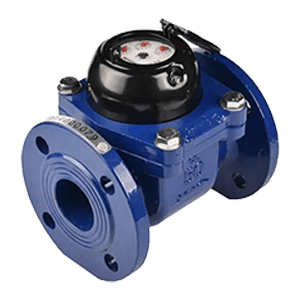
Exploring Different Types of Water Meters and Their Uses

Time: 17-October 2025 | Source: I-FLOW| Share

1.Positive Displacement Meters

They are the classic choice for homes and small businesses. They measure flow by repeatedly filling and emptying a chamber inside the meter. Because each cycle represents a fixed volume, they deliver very accurate readings at low flow rates.

2.Velocity Meters

They take a different approach — they track how fast the water moves. There are a few kinds: turbine, electromagnetic, and ultrasonic. Turbine meters spin a rotor as water flows through. Electromagnetic meters use an electric field to measure conductive liquids. Ultrasonic meters send sound waves through the water to determine flow speed. These types are perfect for big systems that need precise data.

3.Compound Meters

They combine the best of both worlds. They use two measuring elements to handle both small and large flows accurately. Large buildings, hotels, and industrial facilities often rely on them to cover variable demand.

4.Smart Water Meters

They are changing the game. They collect and send data automatically, showing real-time usage through mobile apps or management systems. They can even warn users about leaks or unusual spikes in consumption.
Choosing the right water meter depends on your needs. Think about water type, flow range, and how you want to collect data. A good match means long-term savings, lower maintenance, and more control over your system.
Back To The List btn

Related News

What Makes Triple Eccentric Butterfly Valves So Versatile
6-February 2026

What Makes Triple Eccentric Butterfly Valves So Versatile

Triple eccentric butterfly valves are chosen when systems demand zero leakage, durability, and stable performance under challenging conditions. Their advanced sealing structure allows them to outperform conventional butterfly valves in severe-service applications.

View Details
What Makes Three Way Valve Different
6-February 2026

What Makes Three Way Valve Different

Unlike standard on-off valves, a three way valve controls flow between three pipeline connections instead of two. This unique structure allows it to redirect flow or blend fluids without requiring additional piping components.

View Details
Why Fire Sprinkler Systems Matter
6-February 2026

Why Fire Sprinkler Systems Matter

Fire sprinkler systems play a vital role in modern fire safety, offering automatic and reliable protection when a fire breaks out. Unlike manual firefighting methods, sprinklers react immediately to rising temperatures, helping control fires before they escalate into major disasters.

View Details
How To Properly Select and Operate Pressure Relief Valves for System Protection
6-February 2026

How To Properly Select and Operate Pressure Relief Valves for System Protection

Pressure relief valves are essential safety devices designed to prevent excessive pressure buildup in industrial systems. Proper selection and correct operation are key factors in maintaining regulatory compliance, equipment integrity, and operational safety.

View Details
Why Pinch Valves Are Ideal for Slurry and Abrasive
6-February 2026

Why Pinch Valves Are Ideal for Slurry and Abrasive

Pinch valves are specifically engineered to handle fluids that are difficult for traditional valves, such as slurries, powders, and fluids containing solid particles. The flexible sleeve design eliminates internal obstructions that can trap debris.

View Details
How Three Port Plug Valves Control and Distribute Fluid Flow
6-February 2026

How Three Port Plug Valves Control and Distribute Fluid Flow

3-way plug valves allow operators to redirect or combine flow within a single valve body. By rotating the plug, the valve can switch flow direction, isolate lines, or mix fluids depending on system design.

View Details