
luglugalugaaen |

sea nav gua

form

GET YOUR FREE QUOTE

We will contact you within 24 hours.

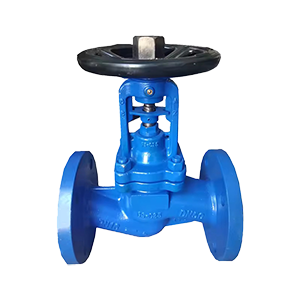
How Long Does Globe Valve Take To Open and Close

Time: 21-November 2025 | Source: I-FLOW| Share

When engineers choose a globe valve, they often focus on accuracy, pressure control, and durability. But once the valve is installed, another question always comes up during commissioning:
“How long does this valve actually take to open and close?”

It sounds simple, yet the answer influences everything—from system safety to actuator selection. In this guide, we break it down clearly and practically, based on engineering experience, manufacturer data, and real usage in industrial plants.

Why Globe Valves Don’t Move as Fast as You Think

Unlike a ball valve or butterfly valve that rotates a quarter turn, a globe valve must move the stem up and down through a long travel path. This longer stroke is the reason globe valves respond more slowly—but it’s also why they control flow so precisely.

If your system needs gentle opening, stable throttling, and reduced risk of water hammer, this slower motion is actually an advantage.


Typical Opening and Closing Times

Every globe valve is different, but industry experience provides reliable timing ranges.

1. Manual Globe Valves: The Human-Powered Option

Most manual globe valves take 8 to 45 seconds to open or close.

  • Small sizes (DN15–DN50): 8–15 seconds

  • Medium sizes (DN65–DN150): 15–30 seconds

  • Large sizes (DN200–DN300): 30–45 seconds

Because the stem requires many turns, the operator’s strength and speed always play a role.

2. Electric Actuated Globe Valves: Designed for Control

Electric actuators are steady and predictable, making them ideal for flow regulation.

Operating time: 20–120 seconds

  • Small and medium valves: 20–45 seconds

  • Larger valves: 45–120 seconds

Manufacturers often slow down electric actuators intentionally to protect the valve seat and prevent water hammer.

3. Pneumatic Actuated Globe Valves: When Speed Matters

When a system needs “fast action,” pneumatic actuators are the preferred choice.

Operating time: 1–5 seconds for quick-acting systems
Up to 10–15 seconds for standard process control

They are widely used in steam plants, chemical lines, and applications requiring emergency shutoff.

What Determines the Actual Speed

Several factors influence how fast a globe valve operates:

  • Valve size: Larger valves mean longer stem travel

  • Actuator torque or air supply: More force = faster movement

  • Differential pressure: Higher pressure slows motion

  • Valve design: Some bonnet and seat structures increase resistance

  • System protection requirements: Slow opening may be mandatory to avoid surges

By understanding these variables, you can choose the right timing for your system instead of relying on assumptions.

Choosing the Right Operating Time for Your Project

If your application involves:

  • precise control → choose electric actuators with moderate speed

  • emergency shutdown → choose pneumatic actuators

  • manual operations → expect slower cycles but lower cost

  • high-pressure conditions → avoid overly fast closing to reduce stress

Matching valve speed to system behavior is one of the easiest ways to improve stability and extend valve life.

Back To The List btn

Related News

Do You Really Know How To Choose Balancing Valves
31-December 2025

Do You Really Know How To Choose Balancing Valves

Balancing valves are often seen as simple accessories in HVAC and hydronic systems—but in reality, choosing the wrong balancing valve can undermine system efficiency, comfort, and energy performance. Do you really know what to look for when selecting one?

View Details
Why Choose Brass Ball Valves for Your Plumbing
25-December 2025

Why Choose Brass Ball Valves for Your Plumbing

In modern plumbing systems, reliability, durability, and safety are non-negotiable. Among the various valve options available, brass ball valves have become a preferred choice for residential, commercial, and light industrial plumbing applications—and for good reason

View Details
How Fire Protection Valve Enhance Safety Measures
25-December 2025

How Fire Protection Valve Enhance Safety Measures

Fire protection valves are critical components in fire safety systems, designed to control the flow of water or firefighting agents within sprinklers, hydrants, and standpipe networks. Their primary purpose is to ensure rapid and reliable response during fire emergencies, preventing loss of life, property damage, and business disruption.

View Details
Why You Should Have a PRV And How It Works
25-December 2025

Why You Should Have a PRV And How It Works

A Pressure Reducing Valve (PRV) is a critical component in water, gas, and steam systems, designed to automatically regulate downstream pressure to a safe, consistent level. Installing a PRV ensures system safety, efficiency, and equipment longevity.

View Details
How To Use 3-Way Valve The Right Way in Different Applications
19-December 2025

How To Use 3-Way Valve The Right Way in Different Applications

If you’ve ever needed to mix two flows, switch directions, or create a bypass line, a 3-way valve is likely the solution. But using it correctly is not just about installing it—it’s about knowing how it should behave inside your system.Let’s keep it simple.

View Details
What Is The Purpose & Importance of Shut-Off Valve
18-December 2025

What Is The Purpose & Importance of Shut-Off Valve

View Details