
luglugalugaaen |

sea nav gua

form

GET YOUR FREE QUOTE

We will contact you within 24 hours.

Key Factors To Consider When Choosing Quick Closing Valve

Time: 10-December 2025 | Source: I-FLOW| Share

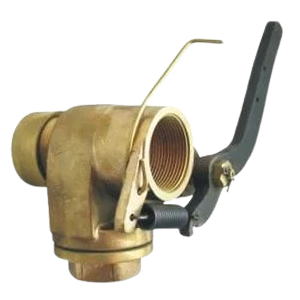
What Is a Quick Closing Valve

A quick closing valve is a safety device that shuts off fluid flow in a very short time, usually triggered automatically or by manual action such as pulling a remote cable or activating a pneumatic/hydraulic actuator. They are widely used in:

  • Marine fuel and lubricating oil pipelines

  • Chemical and fuel transfer systems

  • Emergency shutdown systems (ESD)

  • Hazardous fluid isolation points

  • Industrial machinery with high-risk fluid circuits

Their core purpose is to prevent accidents by stopping fluid movement immediately.


Key Factors to Consider When Choosing a Quick Closing Valve

1. Valve Type & Operating Mechanism

Quick closing valves come in different configurations. The most common include:

  • Cable-operated quick closing valves (standard on ships and fuel systems)

  • Pneumatic-operated quick closing valves

  • Hydraulic-operated quick closing valves

  • Spring-return emergency shutoff valves

Choosing the right mechanism depends on your system’s safety requirements, available power sources, and installation environment.

2. Response Time Requirements

Not all systems need ultra-fast closure. Consider:

  • Does the process demand instant shutoff?

  • Could too rapid closure cause water hammer or pipeline stress?

  • Does the valve need adjustable closing speed?

Balancing safety needs and system stability is essential.

3. Medium Compatibility

Quick closing valves must be compatible with the fluid they control. Check for:

  • Corrosion resistance

  • Temperature tolerance

  • Pressure rating

  • Seal material compatibility (Viton, NBR, PTFE, FKM, etc.)

For example, marine fuel lines typically require bronze or stainless steel valves with fire-safe design and oil-resistant seals.

4. Installation Location

Different environments require specific features:

  • Marine engine rooms → fire-safe, corrosion-resistant, easy cable actuation

  • Hazardous chemical plants → anti-static design, leak-proof seals

  • Outdoor pipelines → weather-resistant coatings

  • Remote locations → manual fail-safe closure

Environmental suitability ensures longevity and uninterrupted performance.

5. Pressure & Flow Characteristics

A quick closing valve must match the system’s:Rated pressure.Flow coefficient (Cv / Kv).Pipeline diameter.Operating conditions

An undersized valve restricts flow, while an oversized one may compromise effective sealing or reaction time.

6. Safety Certification & Industry Standards

Always choose valves that comply with the standards required in your field. Common certifications include:CE.ISO 10497 (fire test for valves).DNV, BV, LR, ABS marine approvals.API 607 / API 6FA fire-safe standards

Certification ensures reliability, and many industries require compliance as a mandatory safety measure.

7. Maintenance & Accessibility

A valve that closes quickly must also reset easily. Consider:

  • Ease of manual reset after activation

  • Spare part availability

  • Maintenance-friendly design

  • Long-term durability of springs and actuators

Choosing a trusted manufacturer with strong after-sales support can significantly extend service life.

Why the Right Quick Closing Valve Matters

A carefully selected quick closing valve:

  • Prevents fires and explosions

  • Protects pumps, engines, and equipment

  • Reduces environmental risk

  • Ensures regulatory compliance

  • Enhances overall operational safety

In industries where every second counts, the quality and suitability of your quick closing valve directly influence system stability and personnel safety.

Back To The List btn

Related News

The Role of Ball Float Valves in Efficient Liquid Level Management
28-January 2025

The Role of Ball Float Valves in Efficient Liquid Level Management

Ball float valves regulate liquid flow automatically by responding to changes in fluid level. This self-acting operation eliminates the need for sensors, electrical power, or complex control systems.

View Details
Best Practices for Installing Brass Gate Valves in Piping Systems
27-January 2025

Best Practices for Installing Brass Gate Valves in Piping Systems

Installing a brass gate valve correctly is a critical step in ensuring safe and efficient flow control. While these valves are primarily designed for on-off service, their performance depends heavily on proper installation techniques.

View Details
Safeguarding Vessel Operations Through Proper Care of Tank Vent Head
21-January 2025

Safeguarding Vessel Operations Through Proper Care of Tank Vent Head

In industrial flow control, the ability to reliably isolate, control, and protect fluid systems is fundamental. Among various valve types, ball valves have become one of the most widely used solutions due to their balanced combination of performance, durability, and operational simplicity.

View Details
Where Should Check Valve Be Installed in Piping System
21-January 2025

When Is Globe Valve The Right Choice

In any fluid control system, flow direction is just as important as flow rate. Uncontrolled backflow can lead to equipment damage, system inefficiency, and safety risks. This is why check valves play a vital role in modern piping systems across water, HVAC, marine, and industrial applications.

View Details
Where Should Check Valve Be Installed in Piping System
21-January 2025

Where Should Check Valve Be Installed in Piping System

In any fluid control system, flow direction is just as important as flow rate. Uncontrolled backflow can lead to equipment damage, system inefficiency, and safety risks. This is why check valves play a vital role in modern piping systems across water, HVAC, marine, and industrial applications.

View Details
Why Ball Valve Are Essential in Industrial Flow Control System
21-January 2025

Why Ball Valve Are Essential in Industrial Flow Control System

In industrial flow control, the ability to reliably isolate, control, and protect fluid systems is fundamental. Among various valve types, ball valves have become one of the most widely used solutions due to their balanced combination of performance, durability, and operational simplicity.

View Details