
luglugalugaaen |

sea nav gua

form

GET YOUR FREE QUOTE

We will contact you within 24 hours.

The Three Ship-Stopping Threats the Mud Box Fights

Time: 20-November 2025 | Source: I-FLOW| Share

Imagine you're on a long voyage, hundreds of miles from port. Everything is humming along until, suddenly, an alarm blares. "High Jacket Water Temperature!" What caused the multi-million dollar engine to start sweating? Often, the culprit is not a complex electronic failure but a simple blockage caused by mud, weeds, or even a rogue plastic bag.
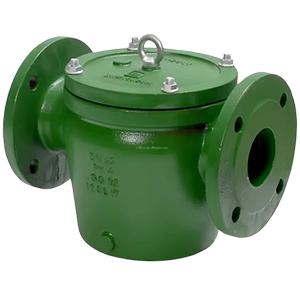
This is the job of the ship's mud box. It’s the essential, grumpy bouncer standing at the VIP entrance to your cooling system, deciding what gets in and what gets chucked back out. Overlooking it is the fastest way to invite inefficiency and operational drama aboard.


The Three Ship-Stopping Threats the Mud Box Fights

When a ship takes in seawater for cooling, it’s scooping up an ocean cocktail of debris. The mud box saves your vessel from three major operational headaches:
  • The Engine Overheat (The Financial Threat): If the strainer clogs, the flow of cooling water to the heat exchangers drops. Reduced cooling means increased engine temperature. When engines overheat, they must be derated (slowed down) or shut down entirely. A few minutes of cleaning can prevent a day of lost speed, missed deadlines, and hefty penalty fees.
  • Pump and Pipe Erosion (The Maintenance Threat): Debris like sand and grit are highly abrasive. If allowed past the first line of defense, they act like sandpaper, wearing down the delicate surfaces of pump impellers and pipe elbows. The mud box saves you money by protecting costly, high-wear components.
  • The Shell and Jellyfish Problem (The Drama Threat): Ever seen the inside of a clogged strainer basket? It's a marine salad: seaweed, barnacles, and sometimes, surprisingly large shells or jellyfish. These items have the unique ability to instantly block flow, often requiring a sudden, unscheduled stop to clean the system—the definition of engine room drama.

Keep It Clean, Keep It Moving: A Proactive Mindset

The best part about the mud box is that maintaining it is one of the easiest, most high-impact jobs on the ship.
  • The "Blow-Down": The simple act of opening a valve (the "blow-down") uses the sea pressure difference to blast accumulated gunk out of the sump and back into the ocean. It’s quick, easy, and satisfying.
  • The Inspection: Regular, quick checks of the removable basket are key. The rule is simple: If the flow starts dropping, the basket needs pulling, cleaning, and reinstalling with a fresh, tight seal.
Back To The List btn

Related News

Do You Really Know How To Choose Balancing Valves
31-December 2025

Do You Really Know How To Choose Balancing Valves

Balancing valves are often seen as simple accessories in HVAC and hydronic systems—but in reality, choosing the wrong balancing valve can undermine system efficiency, comfort, and energy performance. Do you really know what to look for when selecting one?

View Details
Why Choose Brass Ball Valves for Your Plumbing
25-December 2025

Why Choose Brass Ball Valves for Your Plumbing

In modern plumbing systems, reliability, durability, and safety are non-negotiable. Among the various valve options available, brass ball valves have become a preferred choice for residential, commercial, and light industrial plumbing applications—and for good reason

View Details
How Fire Protection Valve Enhance Safety Measures
25-December 2025

How Fire Protection Valve Enhance Safety Measures

Fire protection valves are critical components in fire safety systems, designed to control the flow of water or firefighting agents within sprinklers, hydrants, and standpipe networks. Their primary purpose is to ensure rapid and reliable response during fire emergencies, preventing loss of life, property damage, and business disruption.

View Details
Why You Should Have a PRV And How It Works
25-December 2025

Why You Should Have a PRV And How It Works

A Pressure Reducing Valve (PRV) is a critical component in water, gas, and steam systems, designed to automatically regulate downstream pressure to a safe, consistent level. Installing a PRV ensures system safety, efficiency, and equipment longevity.

View Details
How To Use 3-Way Valve The Right Way in Different Applications
19-December 2025

How To Use 3-Way Valve The Right Way in Different Applications

If you’ve ever needed to mix two flows, switch directions, or create a bypass line, a 3-way valve is likely the solution. But using it correctly is not just about installing it—it’s about knowing how it should behave inside your system.Let’s keep it simple.

View Details
What Is The Purpose & Importance of Shut-Off Valve
18-December 2025

What Is The Purpose & Importance of Shut-Off Valve

View Details