
luglugalugaaen |

sea nav gua

form

GET YOUR FREE QUOTE

We will contact you within 24 hours.

What Are The Four Types of Valve Actuators

Time: 28-August 2025 | Source: I-FLOW| Share

Every valve needs something to move it. That “something” is the actuator. It supplies the force that opens or closes the valve so fluids can flow when you want and stop when you don’t. Some actuators are simple. Others are designed for speed, power, or precision. In general, there are four main types: manual, pneumatic, hydraulic, and electric.

1.Manual Actuators

This is the most basic style. You turn a handwheel, pull a lever, or use gears. It works well for small systems or valves that don’t need to be operated often. It’s cheap, reliable, and easy to use. The downside is obvious—you need a person on site. That makes it slow and impractical when remote control or automation is required.

2.Pneumatic Actuators

Here, compressed air does the work. Pneumatic actuators are fast, safe, and widely used in plants that already run on air supply. They shine in hazardous environments because air isn’t flammable. But they need a constant supply of compressed air. Without good controls, accuracy can also be limited.


3.Hydraulic Actuators

These are similar to pneumatic designs, but they use pressurized fluid. The benefit is strength. Hydraulic actuators produce high torque, making them perfect for very large valves or high-pressure systems. They’re tough and dependable, but fluid leaks can cause problems and add to maintenance.

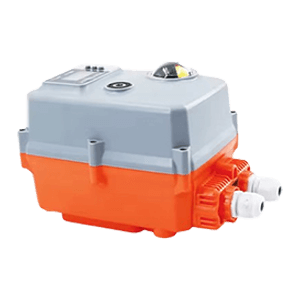
4.Electric Actuators

Instead of air or fluid, these rely on electricity. A motor moves the valve with accuracy and control. They’re easy to connect to digital systems, so they’re popular where automation and precision are important. They can be slower than pneumatic units, and a power outage can stop them completely.

The Takeaway

Manual actuators are simple. Pneumatic actuators are quick. Hydraulic actuators are powerful. Electric actuators are precise. Knowing these differences helps engineers pick the right fit for the job.

Back To The List btn

Related News

Double Flange VS Single Flange Butterfly Valves
16-January 2025

Double Flange VS Single Flange Butterfly Valves

At first glance, double flange and single flange butterfly valves may look similar—but their installation and usage tell a very different story.

View Details
What Is The Needle Valve and How Does It Work
14-January 2025

What Is The Needle Valve and How Does It Work

Inside a needle valve is a thin, pointed stem that moves slowly in and out of a small opening. This design allows you to adjust flow gradually and accurately, rather than making sudden changes.

View Details
What Are The Unique Features of Storm Valves
14-January 2025

What Are The Unique Features of Storm Valves

A storm valve is a specialized marine valve designed to prevent the backflow of seawater into shipboard drainage and discharge systems. Commonly installed on overboard discharge lines, storm valves play a critical role in maintaining vessel safety, especially in rough sea conditions.

View Details
Do You Really Know How To Choose Balancing Valves
31-December 2025

Do You Really Know How To Choose Balancing Valves

Balancing valves are often seen as simple accessories in HVAC and hydronic systems—but in reality, choosing the wrong balancing valve can undermine system efficiency, comfort, and energy performance. Do you really know what to look for when selecting one?

View Details
Why Choose Brass Ball Valves for Your Plumbing
25-December 2025

Why Choose Brass Ball Valves for Your Plumbing

In modern plumbing systems, reliability, durability, and safety are non-negotiable. Among the various valve options available, brass ball valves have become a preferred choice for residential, commercial, and light industrial plumbing applications—and for good reason

View Details
How Fire Protection Valve Enhance Safety Measures
25-December 2025

How Fire Protection Valve Enhance Safety Measures

Fire protection valves are critical components in fire safety systems, designed to control the flow of water or firefighting agents within sprinklers, hydrants, and standpipe networks. Their primary purpose is to ensure rapid and reliable response during fire emergencies, preventing loss of life, property damage, and business disruption.

View Details