
luglugalugaaen |

sea nav gua

form

GET YOUR FREE QUOTE

We will contact you within 24 hours.

What Are The Three Types of Control Valve

Time: 16-September 2025 | Source: I-FLOW| Share

Control valves are essential in modern process industries. They regulate the flow of liquids, gases, or steam within piping systems, ensuring efficiency, safety, and consistent performance. By automatically adjusting position in response to signals from a controller, they keep critical variables like flow rate, pressure, temperature, and liquid level within the desired range.

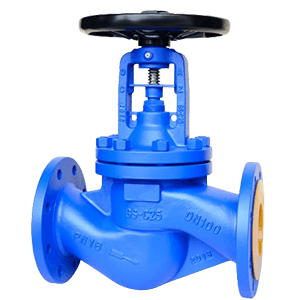
1. Globe Control Valve

The globe valve is the most common type of control valve, designed for precise throttling and regulation. Its internal plug-and-seat arrangement allows fine control over fluid flow.

  • How it works: A movable plug (or disc) rises and lowers inside a seat, restricting or allowing passage of the medium.

  • Advantages: Excellent accuracy, reliable shutoff, and wide range of flow control.

  • Limitations: Higher pressure drop compared to other valve types, and usually more expensive.

  • Applications: Power plants, chemical processing, oil and gas pipelines—where precise flow regulation is critical.


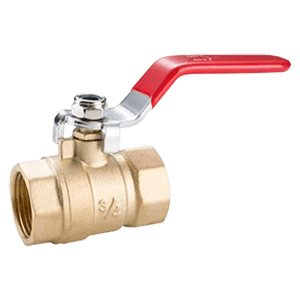
2. Ball Control Valve

A ball valve is designed around a spherical closure element with a hole through the center. By rotating the ball, the valve allows or restricts flow.

  • How it works: When the hole aligns with the pipeline, fluid flows freely. Rotating the ball 90° stops the flow. In control service, specially designed “V-port” or characterized balls enable throttling.

  • Advantages: Quick operation, low pressure drop, and long service life.

  • Limitations: Less precise than globe valves for continuous throttling, but modified designs improve performance.

  • Applications: HVAC systems, water distribution, and industries where fast shutoff and moderate control are needed.


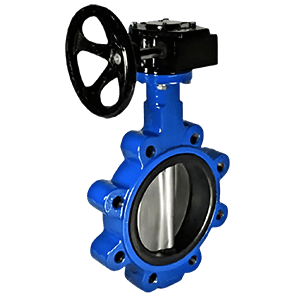
3. Butterfly Control Valve

The butterfly valve uses a disc mounted on a rotating shaft. Turning the disc changes the amount of fluid passing through.

  • How it works: The disc rotates between 0° (closed) and 90° (fully open), regulating flow by its angle of rotation.

  • Advantages: Lightweight, compact, cost-effective, and suitable for large pipe diameters.

  • Limitations: Less accurate at low flow conditions, sealing performance varies with design.

  • Applications: Water treatment, power generation, food and beverage processing, and other industries handling large volumes of fluid.


Back To The List btn

Related News

Double Flange VS Single Flange Butterfly Valves
16-January 2025

Double Flange VS Single Flange Butterfly Valves

At first glance, double flange and single flange butterfly valves may look similar—but their installation and usage tell a very different story.

View Details
What Is The Needle Valve and How Does It Work
14-January 2025

What Is The Needle Valve and How Does It Work

Inside a needle valve is a thin, pointed stem that moves slowly in and out of a small opening. This design allows you to adjust flow gradually and accurately, rather than making sudden changes.

View Details
What Are The Unique Features of Storm Valves
14-January 2025

What Are The Unique Features of Storm Valves

A storm valve is a specialized marine valve designed to prevent the backflow of seawater into shipboard drainage and discharge systems. Commonly installed on overboard discharge lines, storm valves play a critical role in maintaining vessel safety, especially in rough sea conditions.

View Details
Do You Really Know How To Choose Balancing Valves
31-December 2025

Do You Really Know How To Choose Balancing Valves

Balancing valves are often seen as simple accessories in HVAC and hydronic systems—but in reality, choosing the wrong balancing valve can undermine system efficiency, comfort, and energy performance. Do you really know what to look for when selecting one?

View Details
Why Choose Brass Ball Valves for Your Plumbing
25-December 2025

Why Choose Brass Ball Valves for Your Plumbing

In modern plumbing systems, reliability, durability, and safety are non-negotiable. Among the various valve options available, brass ball valves have become a preferred choice for residential, commercial, and light industrial plumbing applications—and for good reason

View Details
How Fire Protection Valve Enhance Safety Measures
25-December 2025

How Fire Protection Valve Enhance Safety Measures

Fire protection valves are critical components in fire safety systems, designed to control the flow of water or firefighting agents within sprinklers, hydrants, and standpipe networks. Their primary purpose is to ensure rapid and reliable response during fire emergencies, preventing loss of life, property damage, and business disruption.

View Details