
luglugalugaaen |

sea nav gua

form

GET YOUR FREE QUOTE

We will contact you within 24 hours.

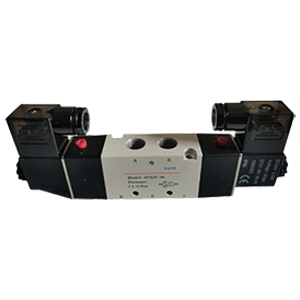
What Happens When Solenoid Valve Goes Bad

Time: 15-August 2025 | Source: I-FLOW| Share

1. Common Signs of a Bad Solenoid Valve

A failing solenoid valve usually makes itself known through a combination of performance issues and operational symptoms. If you notice any of the following, the valve may be the culprit:

  • Failure to Open or Close – The most obvious sign. The valve may stay stuck in one position, preventing proper fluid or gas flow.

  • Inconsistent Operation – Sometimes it works, sometimes it doesn’t. This could point to an intermittent coil or internal blockage.

  • Unusual Noises – A chattering, buzzing, or clicking sound when the valve is energized often indicates a damaged coil or worn internal parts.

  • Reduced Flow Rate – Partial blockage from debris or scale buildup can prevent the valve from opening fully.

  • Overheating Coil – If the coil feels unusually hot, it may be overworked or failing electrically.

  • Leaks Around the Valve – Worn seals or corrosion can allow leakage, reducing system efficiency.


2. Why Solenoid Valves Fail

Solenoid valve failure is rarely random—it’s usually the result of one or more underlying issues:

  • Contamination in the Fluid – Dirt, rust, or debris can block the valve or damage its moving parts.

  • Electrical Coil Burnout – Overvoltage, excessive duty cycles, or prolonged energizing can overheat the coil.

  • Seal Wear or Chemical Damage – The wrong seal material for the application can degrade quickly when exposed to certain chemicals or high temperatures.

  • Corrosion – In marine, chemical, or outdoor environments, unprotected metal components can rust or pit over time.

  • Improper Installation – Incorrect orientation, lack of filtration, or mismatched pressure ratings can shorten a valve’s lifespan.


3. Risks of Ignoring a Bad Solenoid Valve

Failing to replace or repair a faulty solenoid valve can lead to more serious and expensive problems:

  • System Downtime – Especially in production environments, one bad valve can halt operations.

  • Fluid or Gas Leakage – Which can lead to safety hazards or environmental violations.

  • Energy Waste – Leaks or stuck valves may cause pumps or compressors to work harder than necessary.

  • Damage to Downstream Equipment – Pressure fluctuations or inconsistent flow can strain other components in the system.


4. How to Fix or Prevent Solenoid Valve Failure

If you suspect a solenoid valve problem, follow these steps:

  1. Check the Power Supply – Verify voltage and electrical continuity before replacing parts.

  2. Inspect for Blockages – Clean or flush the system to remove debris.

  3. Test the Coil – Use a multimeter to confirm resistance and functionality.

  4. Replace Damaged Seals – Always choose materials compatible with your media and temperature range.

  5. Consider Upgrading – If failure is frequent, upgrading to a more robust or corrosion-resistant model may be worth it.

5.Preventive Measures:

  • Install filters or strainers upstream.

  • Stick to the manufacturer’s duty cycle recommendations.

  • Choose the right valve for the pressure, temperature, and media.

  • Perform routine maintenance checks.

Back To The List btn

Related News

How To Select The Right Size Knife Gate Valves
11-December 2025

How To Select The Right Size Knife Gate Valves

In many industrial systems, speed is not just an advantage—it is a necessity. When a pipeline needs to be shut off instantly to prevent backflow, equipment damage, or safety hazards, a quick closing valve becomes the frontline safeguard. These valves are engineered to close rapidly under emergency or controlled conditions, ensuring that fluid movement can be stopped at the critical moment.

View Details
Key Factors To Consider When Choosing Quick Closing Valve
10-December 2025

Key Factors To Consider When Choosing Quick Closing Valve

In many industrial systems, speed is not just an advantage—it is a necessity. When a pipeline needs to be shut off instantly to prevent backflow, equipment damage, or safety hazards, a quick closing valve becomes the frontline safeguard. These valves are engineered to close rapidly under emergency or controlled conditions, ensuring that fluid movement can be stopped at the critical moment.

View Details
What Is The Float Control Valve
10-December 2025

What Is The Float Control Valve

In many water supply systems, maintaining a stable liquid level is essential for safety, energy efficiency, and overall system performance. Among the various level-control devices available, the float control valve stands out for its reliability, simplicity, and ability to operate without external power. As industries move toward smarter and more efficient fluid management, understanding how this valve works—and the advantages it brings—has become increasingly important.

View Details
Best Practices for Installing Balancing Valves
5-December 2025

Best Practices for Installing Balancing Valves

Walk into any mechanical room, and you’ll quickly understand why balancing valves matter. They quietly determine whether an HVAC system runs smoothly or wastes energy with every cycle. While engineers design the system, it’s the installation that ultimately decides whether a balancing valve performs as intended. To help installers, contractors, and facility managers achieve consistent results, here’s a practical look at the best practices that truly make a difference on-site.

View Details
How Long Does Globe Valve Take To Open and Close
21-November 2025

How Long Does Globe Valve Take To Open and Close

When engineers choose a globe valve, they often focus on accuracy, pressure control, and durability. But once the valve is installed, another question always comes up during commissioning: “How long does this valve actually take to open and close?” It sounds simple, yet the answer influences everything—from system safety to actuator selection. In this guide, we break it down clearly and practically, based on engineering experience, manufacturer data, and real usage in industrial plants.

View Details
The Three Ship-Stopping Threats the Mud Box Fights
20-November 2025

The Three Ship-Stopping Threats the Mud Box Fights

Imagine you're on a long voyage, hundreds of miles from port. Everything is humming along until, suddenly, an alarm blares. "High Jacket Water Temperature!" What caused the multi-million dollar engine to start sweating? Often, the culprit is not a complex electronic failure but a simple blockage caused by mud, weeds, or even a rogue plastic bag.

View Details