
luglugalugaaen |

sea nav gua

form

GET YOUR FREE QUOTE

We will contact you within 24 hours.

Why Globe Valve Is Unidirectional

Time: 23-October 2025 | Source: I-FLOW| Share

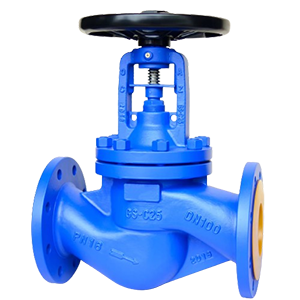
The globe valve is one of the most common and versatile valves used in industrial and commercial piping systems. Known for its excellent throttling performance and reliable shut-off capability, it is designed with a unique flow path that makes it unidirectional — meaning fluid should only flow in one direction through the valve.

1. Internal Structure and Flow Path

A globe valve consists of a movable disc (or plug) and a stationary seat, positioned inside a spherical body — hence the name “globe.” When the handwheel or actuator moves the stem, the disc lifts away from or presses against the seat to regulate flow.

Unlike gate or ball valves, where the flow path is straight, a globe valve forces the fluid to change direction twice — entering below the seat, turning upward, and exiting through the outlet. This internal design improves flow control precision but also increases resistance and pressure drop.


2. Why It’s Unidirectional

The unidirectional nature of a globe valve is mainly due to pressure distribution and sealing efficiency. The correct flow direction is usually indicated by an arrow on the valve body, showing that fluid should flow from under the seat to above the disc.

Here’s why:

  • Better sealing performance: When pressure flows from below the seat, it helps press the disc firmly against the seat when closed. This ensures tight shut-off and minimizes leakage.

  • Ease of operation: Upstream pressure below the seat helps lift the disc when opening, reducing the effort required.

  • Protection of components: Allowing fluid to flow from the opposite direction would force the disc against the stem threads and packing, potentially damaging the sealing surfaces and increasing wear.

3. Exceptions for Reverse Flow

In some high-pressure or high-temperature applications, the flow direction may intentionally be reversed. This helps prevent the disc from being forced open by back pressure or thermal expansion. However, this reverse setup requires specific valve designs and must follow manufacturer recommendations.

4. Practical Applications

Globe valves are widely used in steam systems, cooling lines, and control applications where throttling is needed. Their unidirectional flow ensures stable operation, longer lifespan, and consistent sealing performance under varying pressure conditions.

Back To The List btn

Related News

The Role of Ball Float Valves in Efficient Liquid Level Management
28-January 2025

The Role of Ball Float Valves in Efficient Liquid Level Management

Ball float valves regulate liquid flow automatically by responding to changes in fluid level. This self-acting operation eliminates the need for sensors, electrical power, or complex control systems.

View Details
Best Practices for Installing Brass Gate Valves in Piping Systems
27-January 2025

Best Practices for Installing Brass Gate Valves in Piping Systems

Installing a brass gate valve correctly is a critical step in ensuring safe and efficient flow control. While these valves are primarily designed for on-off service, their performance depends heavily on proper installation techniques.

View Details
Safeguarding Vessel Operations Through Proper Care of Tank Vent Head
21-January 2025

Safeguarding Vessel Operations Through Proper Care of Tank Vent Head

In industrial flow control, the ability to reliably isolate, control, and protect fluid systems is fundamental. Among various valve types, ball valves have become one of the most widely used solutions due to their balanced combination of performance, durability, and operational simplicity.

View Details
Where Should Check Valve Be Installed in Piping System
21-January 2025

When Is Globe Valve The Right Choice

In any fluid control system, flow direction is just as important as flow rate. Uncontrolled backflow can lead to equipment damage, system inefficiency, and safety risks. This is why check valves play a vital role in modern piping systems across water, HVAC, marine, and industrial applications.

View Details
Where Should Check Valve Be Installed in Piping System
21-January 2025

Where Should Check Valve Be Installed in Piping System

In any fluid control system, flow direction is just as important as flow rate. Uncontrolled backflow can lead to equipment damage, system inefficiency, and safety risks. This is why check valves play a vital role in modern piping systems across water, HVAC, marine, and industrial applications.

View Details
Why Ball Valve Are Essential in Industrial Flow Control System
21-January 2025

Why Ball Valve Are Essential in Industrial Flow Control System

In industrial flow control, the ability to reliably isolate, control, and protect fluid systems is fundamental. Among various valve types, ball valves have become one of the most widely used solutions due to their balanced combination of performance, durability, and operational simplicity.

View Details