
luglugalugaaen |

sea nav gua

form

GET YOUR FREE QUOTE

We will contact you within 24 hours.

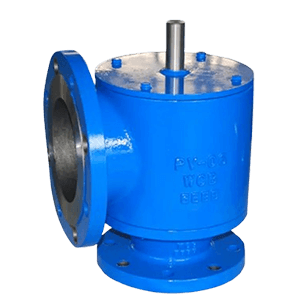
Why You Should Have a PRV And How It Works

Time: 25-December 2025 | Source: I-FLOW| Share

A Pressure Reducing Valve (PRV) is a critical component in water, gas, and steam systems, designed to automatically regulate downstream pressure to a safe, consistent level. Installing a PRV ensures system safety, efficiency, and equipment longevity.

Why Install a PRV

  1. Protects Equipment
    Excessive pressure can damage pipes, pumps, valves, and appliances. A PRV safeguards your system by maintaining steady, safe operating pressure.

  2. Reduces Maintenance Costs
    By controlling pressure, PRVs prevent leaks, pipe bursts, and premature wear, saving money on repairs and system downtime.

  3. Improves System Efficiency
    Proper pressure reduces energy consumption, prevents water hammer in pipelines, and ensures uniform flow across appliances and fixtures.

  4. Compliance with Standards
    Many plumbing, HVAC, and industrial systems require PRVs to comply with safety and building codes, ensuring regulatory adherence.


How a PRV Works

A PRV works by sensing downstream pressure and adjusting the valve opening to maintain a preset pressure:

  • High downstream pressure → PRV partially closes → reduces flow

  • Low downstream pressure → PRV opens → increases flow

This automatic adjustment keeps system pressure stable regardless of upstream fluctuations, protecting both equipment and users.

Types of PRVs

  • Direct-acting PRV – Simple design for low-flow applications

  • Pilot-operated PRV – Suitable for high-flow, high-pressure systems

  • Steam PRV – Designed specifically for steam systems

  • Water PRV – Common in domestic and industrial water distribution

Back To The List btn

Related News

Why Choose Brass Ball Valves for Your Plumbing
25-December 2025

Why Choose Brass Ball Valves for Your Plumbing

In modern plumbing systems, reliability, durability, and safety are non-negotiable. Among the various valve options available, brass ball valves have become a preferred choice for residential, commercial, and light industrial plumbing applications—and for good reason

View Details
How Fire Protection Valve Enhance Safety Measures
25-December 2025

How Fire Protection Valve Enhance Safety Measures

Fire protection valves are critical components in fire safety systems, designed to control the flow of water or firefighting agents within sprinklers, hydrants, and standpipe networks. Their primary purpose is to ensure rapid and reliable response during fire emergencies, preventing loss of life, property damage, and business disruption.

View Details
How To Use 3-Way Valve The Right Way in Different Applications
19-December 2025

How To Use 3-Way Valve The Right Way in Different Applications

If you’ve ever needed to mix two flows, switch directions, or create a bypass line, a 3-way valve is likely the solution. But using it correctly is not just about installing it—it’s about knowing how it should behave inside your system.Let’s keep it simple.

View Details
What Is The Purpose & Importance of Shut-Off Valve
18-December 2025

What Is The Purpose & Importance of Shut-Off Valve

View Details
Understanding The Different Types of Safety Valves
18-December 2025

Understanding The Different Types of Safety Valves

Safety valves are critical components in modern pressure protection systems, designed to prevent overpressure, equipment damage, and serious safety accidents. Across industries such as oil and gas, chemical processing, power generation, marine engineering, HVAC, and industrial manufacturing, safety valves serve as the final line of defense when system pressure exceeds safe limits.

View Details
How To Select The Right Size Knife Gate Valves
11-December 2025

How To Select The Right Size Knife Gate Valves

In many industrial systems, speed is not just an advantage—it is a necessity. When a pipeline needs to be shut off instantly to prevent backflow, equipment damage, or safety hazards, a quick closing valve becomes the frontline safeguard. These valves are engineered to close rapidly under emergency or controlled conditions, ensuring that fluid movement can be stopped at the critical moment.

View Details