Valves are crucial components in plumbing systems, helping to control the flow of water, gas, and other fluids. Selecting the right type of valve can significantly affect the efficiency and safety of your system. Whether you’re working on a residential, commercial, or industrial plumbing project, understanding the different types of valves, their functions, and where they’re best used can ensure optimal performance.
In this guide, we’ll explore the most common plumbing valve types, discuss their unique features, and highlight the applications where they shine.
1. Ball Valves
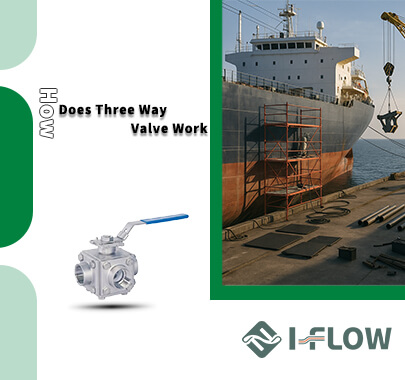
Ball valves are commonly used in plumbing systems for their simple, reliable operation. Featuring a spherical ball with a hole through its center, ball valves control the flow of water by rotating the ball 90 degrees. When the hole aligns with the pipe, water flows through; when the hole is perpendicular to the pipe, the flow is stopped.
Why Choose a Ball Valve
Quick and Easy Operation: A simple quarter-turn opens or closes the valve instantly, which is ideal for applications requiring fast shut-off.
Durability: Ball valves are designed for high-pressure and high-flow conditions, making them suitable for a variety of residential and industrial applications.
Leak-Free Performance: They provide tight seals that prevent leakage, even under extreme conditions.
2. Gate Valves
Gate valves are used to control the flow of water or other fluids by raising or lowering a gate or disc that blocks or allows flow. Unlike ball valves, gate valves are typically used when a full open or closed position is required and are not ideal for throttling or flow control.
Why Choose a Gate Valve
Full Flow: Gate valves provide a completely unobstructed passage when fully open, offering minimal flow restriction.
Long-Distance Applications: These valves are perfect for large pipelines where flow control isn’t necessary, but complete shut-off is.
Strong Sealing: Gate valves provide a robust seal when closed, preventing leaks in the system.
3. Globe Valves
Globe valves are designed to control the flow of water with precision. The valve operates by moving a plug or disc into or out of the flow path, providing fine control over the volume and rate of flow. Due to their design, globe valves are better suited for throttling than gate or ball valves.
Why Choose a Globe Valve
Precise Flow Control: Ideal for regulating flow in systems where constant adjustments are needed.
Good Sealing Ability: Globe valves provide a tight seal and are excellent for applications where leak prevention is critical.
Versatile Material Options: They can be made from various materials, such as cast iron, brass, stainless steel, and more, making them suitable for diverse fluid types.
4. Check Valves
Check valves are designed to allow fluid to flow in one direction only, preventing backflow that can cause contamination or damage to the system. These valves open when fluid flows in the intended direction and close when flow reverses.
Why Choose a Check Valve
Backflow Prevention: They protect systems from reverse flow, which could damage equipment, cause contamination, or affect system efficiency.
Automatic Operation: No manual operation is needed; check valves work automatically in response to the fluid’s direction.
Durability: Built to last, check valves are highly durable and reliable for long-term use.
5. Pressure Relief Valves
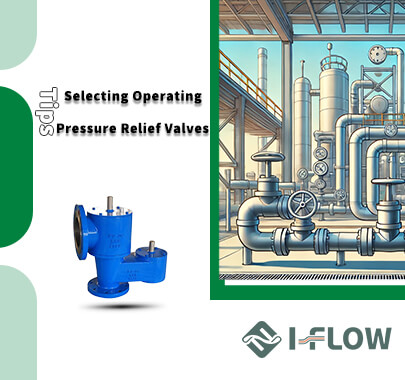
Pressure relief valves are safety devices used to prevent excessive pressure from building up in plumbing systems. If pressure exceeds a preset limit, the valve opens automatically to release excess fluid and maintain safe pressure levels.
Why Choose a Pressure Relief Valve
Pressure Regulation: These valves protect your system by preventing it from reaching unsafe pressure levels.
Automatic Activation: When pressure exceeds the set threshold, the valve automatically opens to release fluid.
Wide Application: Pressure relief valves are built to work under high-pressure conditions and are crucial for systems like water heaters, boilers, and industrial machinery.
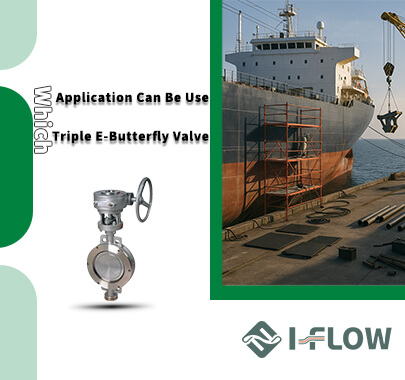
6. Butterfly Valves
Butterfly valves consist of a circular disc mounted on a shaft inside the valve body. The disc rotates to either allow or block fluid flow. They are commonly used in larger pipelines for their compact design and fast operation.
Why Choose a Butterfly Valve
Space-Saving: Butterfly valves are compact and lightweight, making them ideal for tight spaces and large-diameter pipelines.
Quick Operation: A quarter turn is all it takes to open or close the valve, which makes them highly efficient in situations requiring fast shut-off.
Cost-Effective: Generally more affordable than other valve types, making them suitable for budget-conscious projects.
Need help selecting a valve for your project? Contact us for expert advice and a wide range of high-quality valves to suit all your plumbing needs.



.png "luga")
 en |
en |